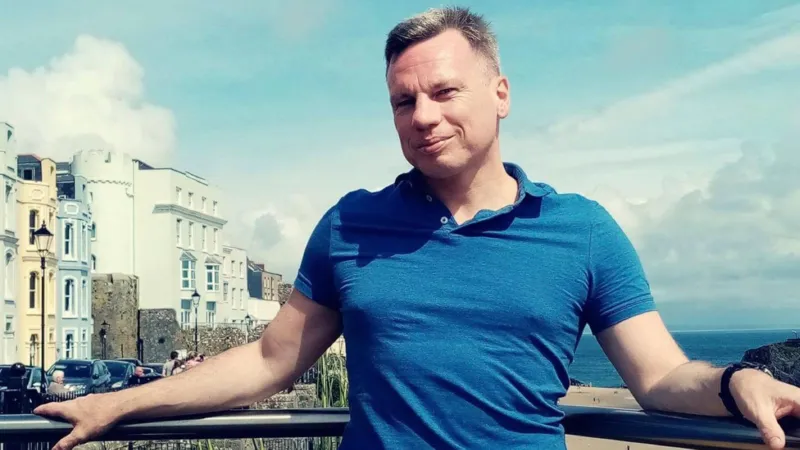
Tristan Copeland a crescut în Shrewsbury, fiind îngrijit de vărul său mai mare, Gary Matthews.
Matthews l-a introdus pe Copeland, pe atunci în vârstă de 10 ani, în lumea filmului Alien, precum și a trupei Talking Heads, pentru care Copeland glumește că era prea mic. Amândoi erau artiști și au început să se mute în aceleași cercuri sociale pe măsură ce au crescut.
Cu toate acestea, pe măsură ce anii au trecut, Matthews a fost atras online de teorii ale conspirației false despre Covid-19, iar în 2021, la vârsta de 46 de ani, a murit după ce a contractat virusul.
Acum, vărul său a creat un documentar care explorează cum și de ce Matthews a căzut în lumea întunecată a negării Covidului.
Copeland a descris-o ca pe o „infiltrare lentă” în conspirații, începând cu momentul în care Matthews a început să facă campanie pentru pace în Siria.
„Cred că a fost expus la unele dintre dezinformările de acolo”, a spus el.
„Cred că Gary se simțea neîmplinit și îngrijorat de lume și avea multă compasiune, îi păsa profund.”
Copeland a spus că oamenii au început să observe că postările sale de pe Facebook deveneau „din ce în ce mai neregulate” și că devenea din ce în ce mai greu să-l contacteze pe Matthews, care la acea vreme lucra ca artist în Shrewsbury.
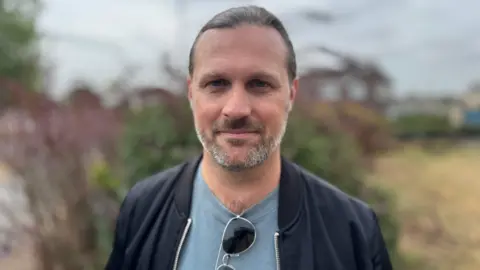
„Cred că a avut această mentalitate când a apărut Covid și a înțeles aproape imediat unele dintre teoriile conspirației legate de Covid”, a spus el.
„A existat un grup de Facebook la care s-a înscris… recrutau oameni în jurul orașului Shrewsbury și protestau împotriva carantinei.”
Copeland, care la acea vreme locuia în SUA, a spus că familia apropiată a lui Matthews îl vedea și vorbea cu el în mod regulat, dar, în general, evita să vorbească despre opiniile sale.
De Crăciunul din 2020, lucra într-un supermarket local.
„Cu siguranță promova unele dintre mesajele anti-Covid, de negare a Covid-ului, contestând multe dintre mesajele care au fost acceptate”, a spus Copeland.
„Știu că ura să poarte mască.”
„Gary a găsit un motiv să nu o poarte… așa că, deși toți ceilalți purtau măști, el nu.”
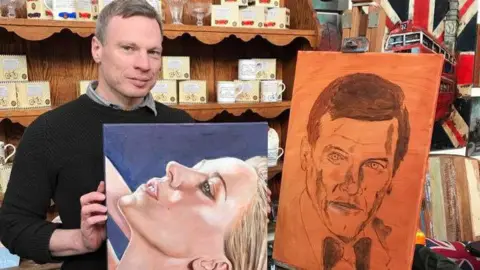 Tristan Copeland
Matthews s-a îmbolnăvit la începutul lunii ianuarie 2021.
„Am auzit de la familia lui că avea toate simptomele, iar mai târziu am aflat de la sora lui că tușea în timp ce vorbea cu ea la telefon și încerca să ascundă acest lucru”, a spus Copeland.
„Destul de târziu în cursul bolii sale, s-a dus și s-a autotestat, ceea ce cred că pentru el a fost un pas important, deoarece majoritatea negaționistilor Covid erau ferm împotriva testelor.”
Matthews tested positive for Covid and told his family, before dying the day after getting the result.
„His dad went to check on him… he had to break into his flat, and got to Gary, I think, less than an hour after he passed away,” said Copeland.
„He died at home on his own, reaching for his phone.”
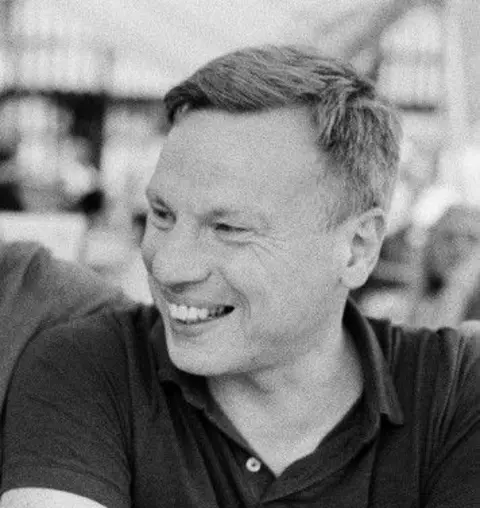 Tristan Copeland
Copeland described his cousin’s death as a tragedy.
„Unfortunately, it was inevitable that someone flaunting rules and protections at the time, and publicly being involved in the denial and conspiracy movement, was going to pass away from Covid,” he said.
Copeland posted a tribute to Matthews’ Facebook page, and said it was soon flooded with rebuttals from conspiracy theorists who had protested against lockdown and did not believe in the virus existed.
„They essentially started attacking me, trying to contact Gary’s family… they were saying Gary can’t have died from Covid, because he and they didn’t believe in it,” he said.
This, Copeland said, kept him up at night, and eventually sparked the idea of making a documentary.
‘Making the film was cathartic’
He began filming in Shrewsbury in April 2021, speaking to many people who knew Matthews.
„I started with Gary’s family… I spoke to Gary’s friends,” he said.
„Even though I’d argued with them online, I contacted the founders and members of the conspiracy group.
„They took me to an anti lockdown protest in London… I filmed that.”
He also spoke to experts on conspiracy thinking.
„It’s helped me process it, it was a very cathartic way to do it,” Copeland added.
The documentary, What About Gary? was screened in Shrewsbury earlier this month and will be shown in London on Thursday.
Copeland hopes it could be shown at film festivals before being released officially.